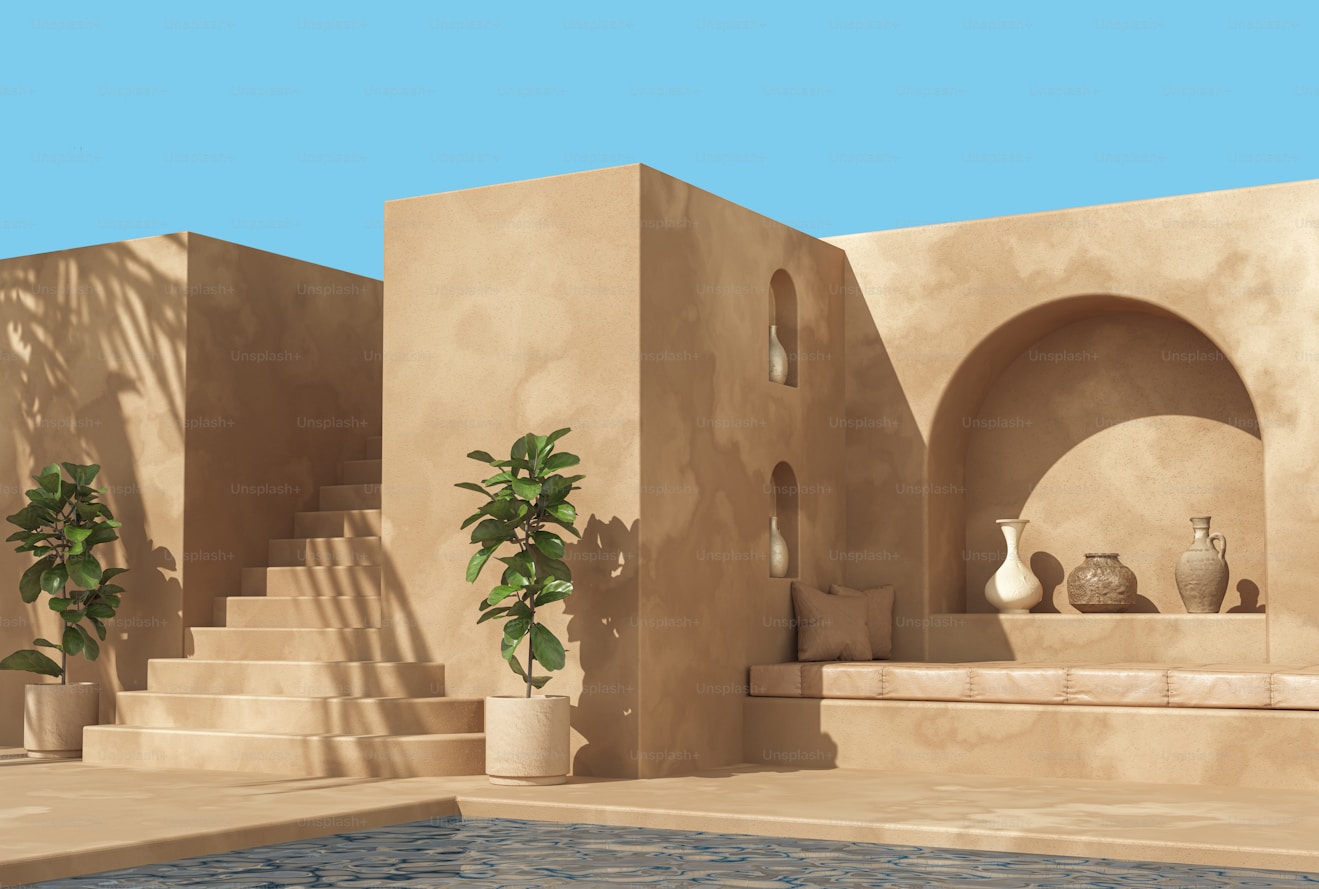
Architecture
Creating Architecture that Embraces Stillness
Proportion, material honesty and the quiet confidence of a space that knows what it is.
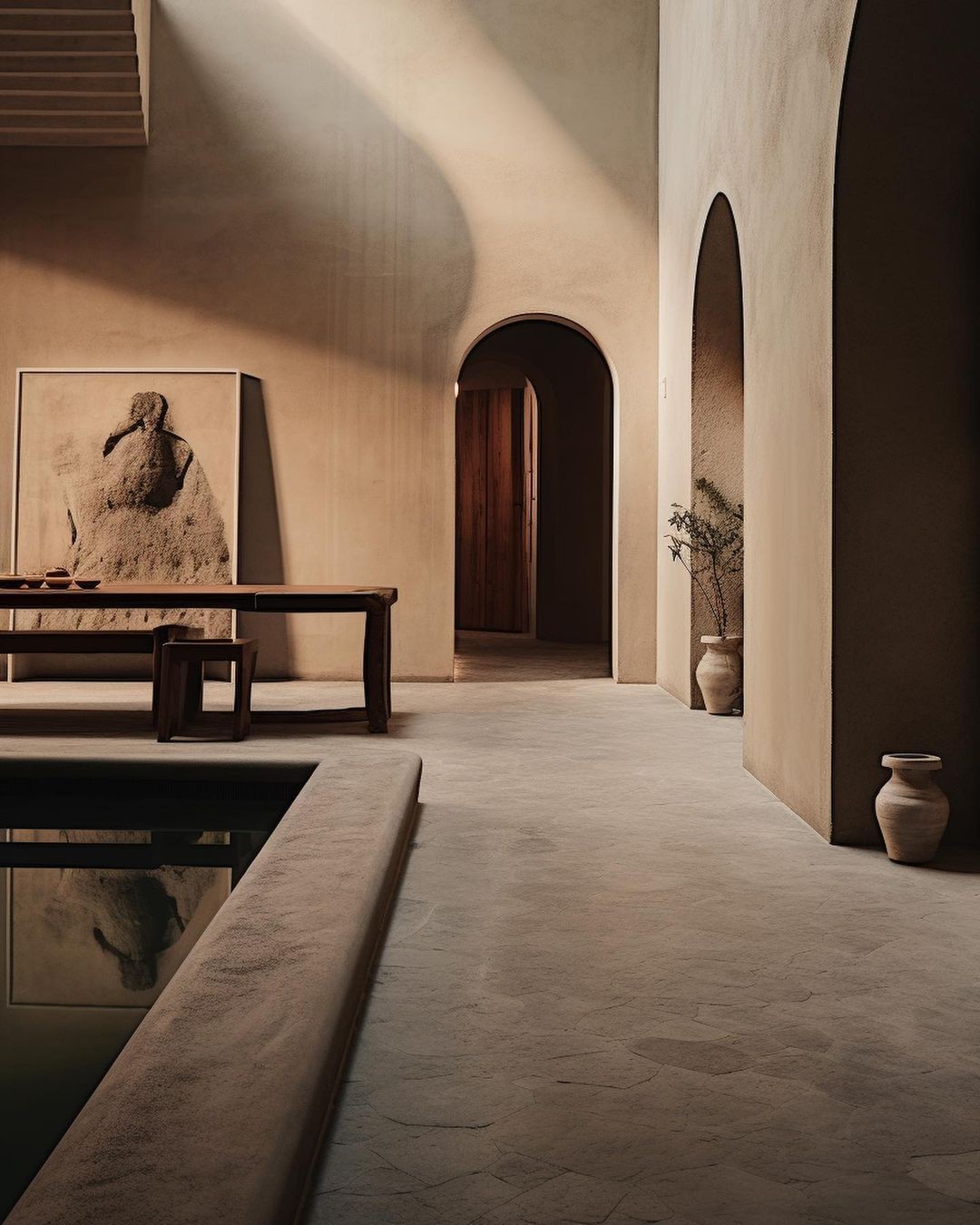
Four times stronger than conventional construction, shaped entirely by hand. Not a fashionable choice — an intelligent one that ages beautifully because it was made well.
Ferro-cement was chosen before anything else was decided. Before the plan, before the palette, before the first line was drawn. It set the terms for everything that followed.
There are materials that perform and materials that belong. Ferro-cement does both. A thin shell of cement mortar reinforced with layers of steel mesh — hand-plastered, cured slowly, finished over weeks rather than days. The result is a surface that records the care of the person who made it and a structure that carries four times the strength of a conventional wall at a fraction of the thickness.
In Tiruvannamalai the summer arrives early and stays late. A material that traps heat is a material that works against the body. Mud plaster and oxide floors regulate temperature by breathing with the building. Ferro-cement gives us the form to hold that breath — thin enough to keep interiors generous, strong enough to carry green roofs, curved enough to forget the tyranny of the right angle.
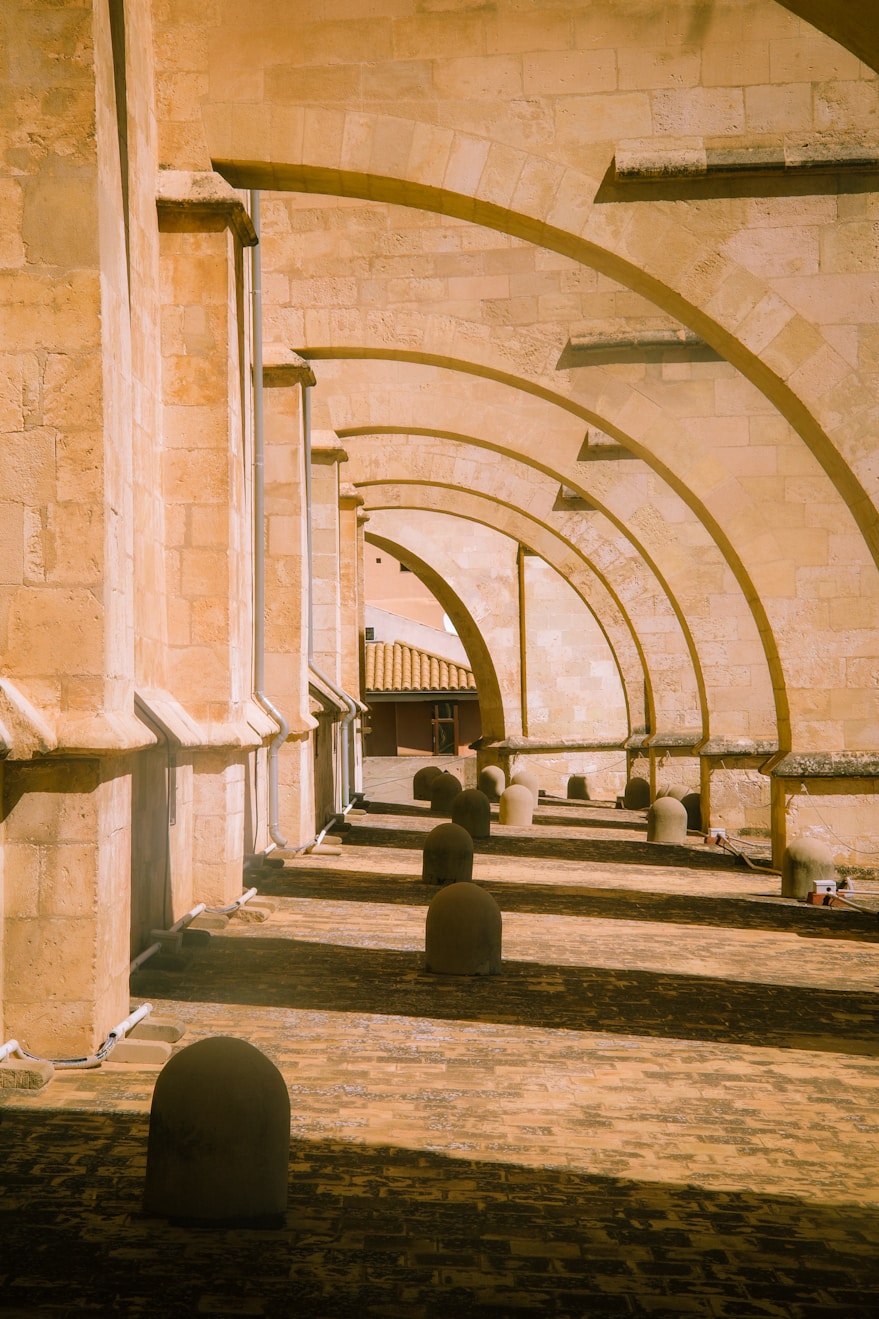
“We didn't build on this land. We built with it.” That was architect Mohamed Ayaan's first principle on site: the building must respond to its ground, never imposed. Villas breathe through natural ventilation; light charts the hours; a ferro-cement form settles against the scale of Arunachala with the humility of something that has always belonged.
“I approach design as a process of discovery — it allows the built form to respond organically to its surroundings.” — Mohamed Ayaan, architect, Nandhi Sky & Soil
Every surface arrived at its form by the same logic: what would the earth make if it made a room? Door frames do not follow geometry. Ceilings do not negotiate with walls. The hand is visible — not as imperfection to be corrected, but as evidence that this was made well, slowly, by people who were asked to take their time.
They also age beautifully — not despite imperfection, but because of it. Mud and oxide carry no chemical compounds that work against the body. In a retreat built around restoration, the very surfaces you touch are part of the therapy. What weathers well was made well.
Notes from the hill — architecture, craft and the daily decisions that shape a place built to outlive the century. Every choice is measured against one question: will this still be right in fifty years?
Proportion, material honesty and the quiet confidence of a space that knows what it is.
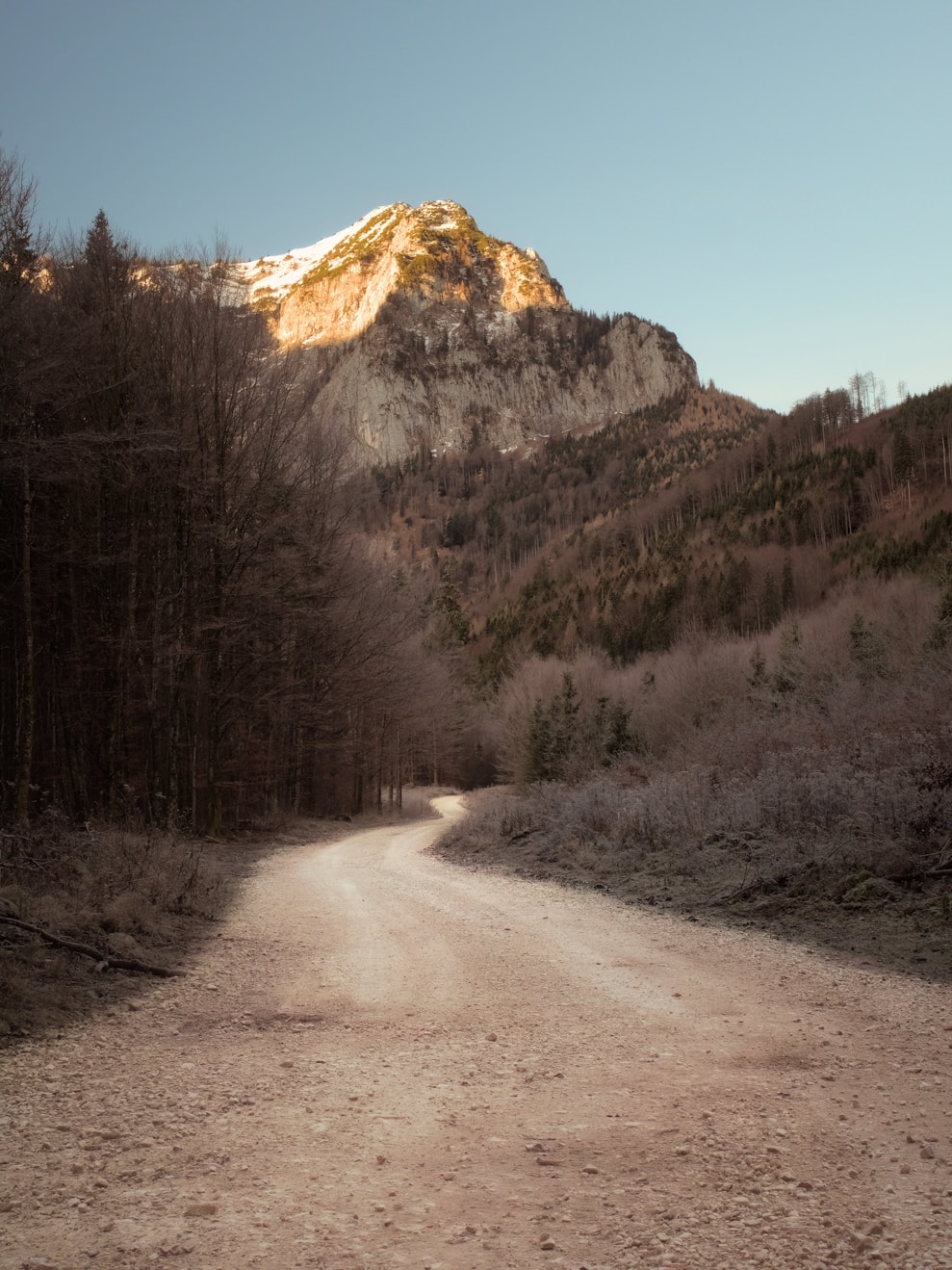
Fourteen kilometres. Four hours. Everything you thought you needed to say, silenced.

When a dinner becomes a gathering and a gathering becomes a memory you carry.
Some things are understood only by standing inside them. Write to us — we'll arrange a walk through the villas at the hour the light is right.
Arrange a visit →